Exploring Lonelesting Typeface: A Playful, Modern Choice for Creative Design
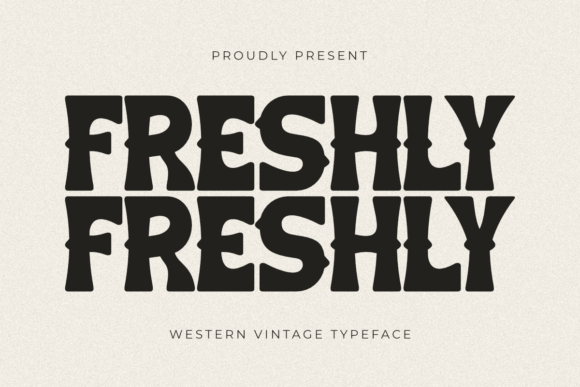
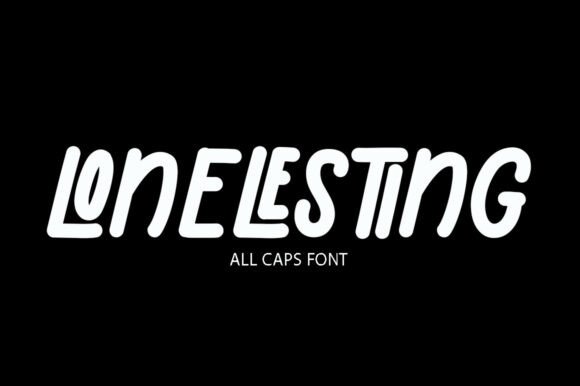
When it comes to choosing a typeface that balances boldness with approachability, Lonelesting stands out as a distinctive option. This all-caps font features smooth, rounded edges that give it a friendly yet confident presence. Unlike many rigid or overly stylized fonts, Lonelesting maintains a clean aesthetic while still offering a sense of whimsy and modernity. It’s particularly well-suited for designers who want to create eye-catching visuals without sacrificing readability or professionalism.
What Makes Lonelesting Unique?
At first glance, Lonelesting distinguishes itself through its clean curves and balanced proportions. Each character is designed with a consistent rhythm that contributes to a cohesive, visually pleasing appearance. The rounded corners give it a softness that contrasts with more angular, aggressive fonts, making it feel more accessible and versatile.
One of the standout features of Lonelesting is its PUA encoding, which allows users to easily access a full set of glyphs, swashes, and alternate characters. This level of customization enhances its flexibility, making it suitable for a wide range of design applications. Whether you're crafting a logo, designing a poster, or building social media content, Lonelesting offers the tools to tailor typography to your specific needs.
How Lonelesting Compares to Similar Fonts
Among modern all-caps fonts, Lonelesting occupies a middle ground between playful and professional. Compared to more minimalist sans-serif fonts, it brings a sense of personality and warmth to a design. However, it doesn’t go as far into stylization as some decorative fonts that can overwhelm a layout or become difficult to read in longer text blocks.
Designers often turn to all-caps fonts for branding, packaging, or digital graphics where visual impact is key. In that context, Lonelesting holds its own by offering a balance of legibility and flair. While some fonts lean too heavily into a single aesthetic—either too serious or too cartoonish—Lonelesting strikes a tone that can appeal to both youthful and mature audiences depending on how it's used.
Strengths and Best-Use Scenarios
Lonelesting excels in environments where a strong visual presence is needed without alienating the viewer. Its bold yet friendly appearance makes it an excellent choice for:
- Posters and event promotions
- Brand logos and product packaging
- Social media graphics and digital banners
- Creative typography in editorial or advertising layouts
The font’s rounded edges and clean structure help maintain clarity even at smaller sizes, which is a common challenge with all-caps designs. This makes it more versatile than some alternatives that may look great in large headlines but struggle with readability in subheadings or secondary text.
Tradeoffs and Limitations
While Lonelesting offers a lot of visual appeal and customization, it’s important to consider its limitations. As an all-caps typeface, it may not be ideal for body text or long-form content where lowercase letters help with word recognition. Additionally, its playful nature might not align with more formal or traditional brand identities.
Another consideration is the context in which the font is used. In some design environments—particularly those that require strict typographic hierarchy—Lonelesting’s uniformity (due to being all caps) may limit its effectiveness compared to fonts with varied case and weight options.
When Lonelesting Is the Right Choice
If you're working on a project that benefits from a bold, approachable aesthetic, Lonelesting could be an excellent fit. For example, a new children’s product line might use Lonelesting for packaging to convey friendliness and fun. A digital marketing campaign aiming to stand out on social media could leverage the font’s swashes and alternates to create dynamic, engaging visuals.
Designers who value customization will also appreciate the PUA encoding, which simplifies access to alternate characters. This feature can be especially useful when creating custom logos or illustrations where unique lettering enhances brand identity.
When You Might Choose an Alternative
In some cases, another font might serve your needs better. If your project requires a more formal tone—such as for legal documents, academic publications, or traditional corporate branding—Lonelesting’s playful nature might not align with the desired message.
Additionally, if your design calls for a mix of uppercase and lowercase text with strong typographic contrast, you may want to explore other typefaces that offer more variation in weight and structure. Fonts that include lowercase letters and multiple styles (bold, italic, light, etc.) can provide greater flexibility for complex layouts.
Realistic Examples and Practical Comparisons
Consider a local bakery launching a new line of cupcakes. Using Lonelesting for social media graphics and packaging labels would emphasize the fun, colorful nature of the product. The rounded letters complement the soft, inviting visuals often associated with desserts, creating a cohesive brand experience.
Compare that to a law firm rebranding its website and marketing materials. In that case, a more restrained, serif-based font would likely be a better fit to convey professionalism and trust. Lonelesting, while visually appealing, wouldn’t align with the firm’s tone and audience expectations.
Another example is a music festival poster. Lonelesting could be used effectively for the event name, drawing attention with its bold curves and custom swashes. Pairing it with a simpler, complementary font for supporting text would maintain visual balance while ensuring readability.
Making an Informed Decision
Ultimately, choosing a typeface like Lonelesting comes down to understanding your project’s goals, audience, and design environment. While it offers a unique combination of boldness and friendliness, it’s not a one-size-fits-all solution. By evaluating its strengths and limitations in the context of your specific needs, you can determine whether it’s the right choice—or if another font might better serve your purpose.
As with any design decision, the key is to test and experiment. Try using Lonelesting in different settings to see how it performs. If it aligns with your brand personality, supports your message, and enhances the overall aesthetic, it could be a valuable addition to your typographic toolkit.