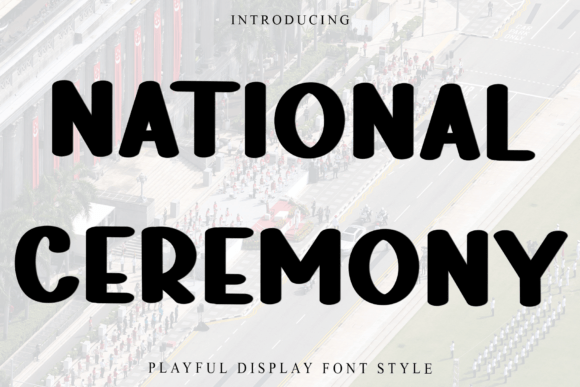
Exploring the Unique Appeal of National Ceremony Font
When it comes to choosing a font for a design project, the right typeface can make all the difference. National Ceremony stands out as a soft, expressive font that blends elegance with a touch of personality. Its flowing strokes and carefully designed curves give it a distinctive look that can elevate everything from invitations to branding materials. Unlike many standard fonts, National Ceremony offers a sense of warmth and individuality, making it a compelling option for designers seeking a more natural and artistic appearance.
What Sets National Ceremony Apart?
The visual identity of National Ceremony lies in its organic structure and fluid letterforms. It’s categorized as a natural or hand-drawn style font, which gives it a human, approachable feel. Each character is crafted to appear as if it were written by hand, yet it maintains a level of consistency that makes it suitable for professional use. This balance between organic charm and functional design is what makes National Ceremony stand out among similar fonts.
One of the key features of this font is its versatility. Whether you're designing a logo, crafting a greeting card, or working on a digital illustration, National Ceremony adapts well to various contexts. It’s also compatible with multiple platforms, including Windows and open-source applications, making it accessible to a broad audience of designers and creators.
How Does National Ceremony Compare to Other Fonts?
In the world of typography, there are countless fonts that aim to capture a natural or handwritten aesthetic. Some alternatives lean more toward a formal script style, while others mimic casual handwriting or brush lettering. National Ceremony falls somewhere in the middle — it’s not overly formal, yet it maintains enough structure to be legible and professional.
- Formal Script Fonts: These are often used for luxury branding or wedding invitations. They tend to be more structured and elegant but can feel stiff or impersonal compared to National Ceremony’s softer touch.
- Casual Handwriting Fonts: These are great for personal projects or informal branding. However, they may lack the polish needed for more formal applications, where National Ceremony strikes a better balance.
- Brush Script Fonts: These typically have bold strokes and a dynamic energy. While they can be visually striking, they may not be as versatile across different design contexts as National Ceremony.
Each category has its own strengths and limitations, and the best choice depends on the specific needs of the project. National Ceremony offers a middle ground that combines readability with a distinctive personality.
Strengths and Tradeoffs of National Ceremony
One of the main strengths of National Ceremony is its adaptability. Because of its soft, flowing style, it works well in both print and digital formats. It’s particularly effective in designs that aim to evoke a sense of warmth, creativity, or authenticity. For example, it might be a great fit for a boutique brand, a handmade product label, or a personal blog header.
However, like any font, it has its limitations. Due to its more decorative nature, National Ceremony may not be the best choice for long blocks of text or technical documents where clarity and neutrality are essential. In such cases, a more standard sans-serif or serif font would likely be a better option.
Another consideration is the visual tone of the project. If the goal is to convey professionalism or minimalism, a simpler font may be more appropriate. National Ceremony shines in contexts where a personal, artistic, or expressive tone is desired.
Realistic Use Cases for National Ceremony
To better understand when National Ceremony might be the right choice, consider a few practical examples:
- Wedding Invitations: A designer working on a rustic or romantic-themed wedding invitation might choose National Ceremony for its soft, elegant appearance. It pairs well with floral motifs and natural textures.
- Product Packaging: A small business selling handmade candles or artisanal soaps could use this font to create packaging that feels personal and authentic.
- Blog Headers: A lifestyle blogger focusing on creativity, travel, or wellness might use National Ceremony in their website headers to create a welcoming and expressive tone.
In each of these cases, the font contributes to the overall mood and branding of the project. It helps establish a connection with the audience by conveying a sense of care and intentionality in the design.
When to Consider Alternatives
While National Ceremony has many appealing qualities, it’s not always the best fit. If a project requires a more modern or corporate aesthetic, a clean sans-serif font might be more appropriate. Similarly, for highly technical or data-driven content, a more neutral typeface would enhance readability and professionalism.
Another scenario where an alternative might be better is when a designer is aiming for a very specific cultural or historical reference. Some fonts are designed to emulate vintage signage, calligraphy, or digital displays, and in those cases, a more specialized typeface would be more effective than National Ceremony.
Making an Informed Decision
Choosing the right font is more than just a matter of personal preference — it’s about aligning the typeface with the message, audience, and medium. National Ceremony offers a compelling combination of elegance and approachability, making it a strong contender for creative and expressive projects. However, it’s important to evaluate how well it fits the specific needs of the design before making a final decision.
Consider testing National Ceremony in different contexts to see how it performs. Try pairing it with different colors, layouts, and imagery to see if it enhances the overall design or feels out of place. If it consistently supports the intended tone and message, it could be the perfect choice. If not, exploring alternatives within the same stylistic category may lead to a better match.
In the end, the goal is to select a font that not only looks good but also serves the functional and emotional needs of the project. National Ceremony provides a unique option for those seeking a natural, expressive typeface that can bring warmth and personality to a wide range of creative endeavors.