First Point: A Playful and Approachable Font for Creative Projects
What Is First Point?
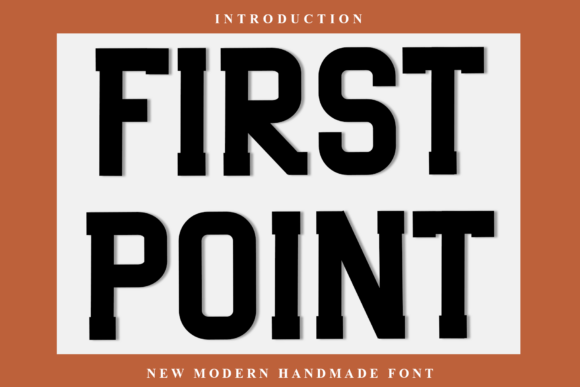
First Point is a casual, hand-drawn font designed to convey warmth, friendliness, and creativity. Its rounded, playful strokes give it a relaxed and approachable appearance, making it ideal for designs that aim to feel personal and inviting. Whether used in digital or print formats, First Point adds a unique, artistic flair that stands out without overwhelming the viewer.
The font includes standard PUA-encoded glyphs, ensuring compatibility with popular design software such as Adobe Photoshop, Adobe Illustrator, CorelDRAW, and Canva. This makes it accessible and easy to integrate for both novice and experienced designers working across different platforms.
Why Consider First Point?
Designers and content creators often seek fonts that reflect a specific tone or personality. First Point appeals to those looking to convey a sense of joy, simplicity, or authenticity in their work. It’s particularly well-suited for projects that require a human, hand-crafted touch, as opposed to the sterile precision of more formal typefaces.
Its casual aesthetic makes it a strong contender for branding elements, greeting cards, social media posts, and other visual content where a friendly and creative tone is desired. If your goal is to connect emotionally with your audience through design, First Point may be a compelling option to explore.
Benefits of Using First Point
- Warm and inviting appearance – The rounded, soft edges of the characters create a welcoming visual tone.
- Hand-drawn charm – The font’s organic, slightly irregular strokes give it a unique character that feels authentic and personal.
- Versatile compatibility – With PUA encoding, First Point works seamlessly in a variety of design tools, making it accessible for a wide range of creative applications.
- Enhances creative and personal branding – It helps establish a distinctive voice in branding projects that aim to feel down-to-earth and relatable.
Considerations and Tradeoffs
While First Point brings a lot of personality to the table, it’s important to consider its limitations. Because of its informal and decorative nature, it may not be suitable for all design contexts. For example:
- Readability at small sizes – The playful, stylized strokes can reduce legibility when used in smaller point sizes or in long blocks of text.
- Not ideal for formal settings – If your project requires a professional or corporate tone, First Point may not align with the intended message.
- Limited character set – While PUA glyphs improve accessibility, some special characters or extended language support may be missing compared to more standardized fonts.
When choosing First Point, evaluate how its visual style supports your project’s goals. It works best when used sparingly for headlines, logos, or accent text rather than for extended body copy or technical documents.
When First Point Is a Strong Fit
First Point shines in environments where visual appeal and emotional connection are key. Here are some common use cases where this font performs well:
- Personal branding – For freelancers, influencers, or small business owners who want to project a friendly and creative identity.
- Event invitations – Weddings, baby showers, and casual gatherings benefit from its warm and approachable look.
- Social media graphics – The font’s playful nature complements platforms like Instagram and Pinterest, where visual storytelling is central.
- Children’s content – Books, toys, and educational materials aimed at younger audiences can benefit from the font’s whimsical style.
When to Consider Alternatives
If your project demands clarity, formality, or extended readability, you may want to explore alternative fonts. For example:
- Corporate or academic materials – In these settings, more neutral or serif fonts like Helvetica, Times New Roman, or Open Sans may be more appropriate.
- Long-form text – For body copy in articles, essays, or reports, a clean sans-serif or serif font will likely offer better readability over time.
- High-contrast or minimalist designs – If your design leans toward minimalism or modern elegance, a bolder or more structured font might better suit your aesthetic.
Before committing to First Point, test it in the context of your final design. Compare it with similar fonts to see how it stacks up in terms of visual balance, legibility, and overall impact.
Making the Right Choice
Selecting the right font is more than just a stylistic decision—it’s about aligning your typography with your message. First Point is a strong choice if you’re aiming for a warm, creative, and personable tone. However, it’s important to match the font to the specific needs of your project rather than choosing it solely based on aesthetics.
Ask yourself the following questions to help determine if First Point is right for you:
- Is the tone of my project casual, creative, or personal?
- Will the font be used primarily for headlines, logos, or short-form text?
- Do I need a hand-drawn, artistic feel to differentiate my design?
- Am I using software that supports PUA-encoded fonts?
If you answered “yes” to most of these, First Point could be a valuable addition to your design toolkit. But if your project requires a more formal, technical, or minimalist approach, it may be worth exploring other font options that better align with those goals.
Final Thoughts
First Point offers a charming and accessible way to inject personality into your design work. Its playful strokes and hand-crafted appeal make it a versatile option for creative and personal projects. However, like any design choice, it comes with tradeoffs that should be weighed based on the specific context of your use case.
Ultimately, the best way to evaluate First Point is to see how it performs in your actual design. Try it out, compare it with alternatives, and assess how well it supports your intended message and audience. With thoughtful application, First Point can help your designs stand out in a way that feels genuine and engaging.