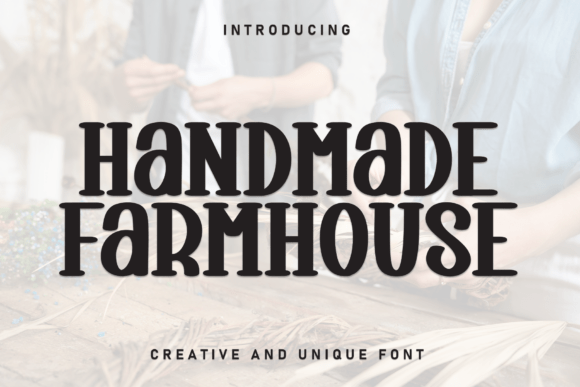
Handmade Farmhouse: A Strategic Font Choice for Modern Design and Branding
Choosing the right typeface is more than a design decision—it's a strategic move that can influence how your message is received, remembered, and acted upon. Handmade Farmhouse stands out as a versatile display font that blends simplicity with warmth, making it a compelling option for professionals across industries. Its clean lines, balanced structure, and subtle rounded edges offer a modern take on handwritten typography while maintaining a polished, readable form.
For entrepreneurs, marketers, and creators, the value of Handmade Farmhouse lies in its ability to communicate approachability without sacrificing clarity. Whether you're designing a brand identity, crafting digital content, or preparing packaging materials, this font can help bridge the gap between professionalism and personality.
Why Handmade Farmhouse Fits Into Strategic Design Planning
Typography plays a quiet but powerful role in shaping user perception. Handmade Farmhouse brings a casual elegance that works well in contexts where warmth and authenticity are key. When planning your visual communication strategy, consider how this font supports your long-term goals:
- Brand Positioning: Use it to convey a sense of craftsmanship, care, and attention to detail.
- Customer Experience: Enhance readability and emotional connection in digital and print media.
- Content Engagement: Improve visual hierarchy and readability in headlines and promotional materials.
Strategic use of Handmade Farmhouse involves more than just aesthetics—it's about aligning the tone of your communication with your audience's expectations and your brand's personality.
When and How to Use Handmade Farmhouse Effectively
This font shines in display settings such as headlines, logos, packaging, and social media graphics. It’s best used where a human touch is desired but clarity remains essential. Consider these practical applications:
- Branding Materials: Perfect for boutique brands, artisan products, or service providers aiming for a warm, trustworthy image.
- Web and App Interfaces: Ideal for headers or call-to-action buttons where a friendly tone enhances user experience.
- Print and Packaging: Adds a personal, handcrafted feel to product labels, greeting cards, and stationery.
When incorporating Handmade Farmhouse into your design system, balance it with simpler, more neutral fonts to maintain readability and visual harmony. Avoid overusing it in body text or small sizes, where its stylistic elements may reduce legibility.
Key Considerations Before Choosing Handmade Farmhouse
While Handmade Farmhouse offers a unique visual appeal, it’s important to evaluate its suitability within your broader design and communication strategy. Ask yourself:
- Does the font align with my brand personality? If your brand is formal or technical, this font may not convey the right tone.
- Is it appropriate for the intended use case? It works best in short-form, high-impact applications rather than long-form content.
- Have I tested it across platforms? Ensure consistent rendering on both digital and print mediums, especially at different sizes.
Choosing a font without considering its functional role can lead to misalignment between design and messaging. Always test Handmade Farmhouse in real-world contexts before committing to it across your brand assets.
Avoiding Common Pitfalls with Handmade Farmhouse
One of the most common mistakes in typography is using a font without a clear purpose. Handmade Farmhouse, while visually appealing, may not be suitable for every project. Here are some risks to be aware of:
- Overuse: Relying too heavily on this font can make your design feel inconsistent or unprofessional.
- Misalignment with audience: If your audience expects a more formal tone, this font may feel out of place.
- Lack of scalability: At very small sizes, the font’s rounded edges and stylistic flourishes may reduce readability.
To avoid these issues, use Handmade Farmhouse intentionally. Pair it with complementary fonts, apply it only where it adds value, and ensure it supports your communication goals rather than distracting from them.
Planning for Long-Term Brand Consistency with Handmade Farmhouse
Consistency in typography is a key component of strong brand identity. If you're considering Handmade Farmhouse for your brand, start by defining how and where it will be used across touchpoints. Create a clear typography hierarchy that includes:
- Primary headers: Where Handmade Farmhouse can shine as a headline font.
- Secondary headers: Pair with a sans-serif or serif font to maintain visual balance.
- Body text: Opt for a more legible typeface to ensure readability and accessibility.
Document these choices in your brand guidelines to ensure consistent application across teams, tools, and time. This strategic approach helps maintain a cohesive visual identity while leveraging the unique character of Handmade Farmhouse where it makes the most impact.
How to Make the Most of Handmade Farmhouse in Your Creative Workflow
Integrating Handmade Farmhouse into your creative process should be intentional and goal-driven. Here are some practical tips to help you make the most of this font:
- Use it for emotional resonance: Apply it in designs where a personal, handcrafted feel will enhance the message.
- Pair it wisely: Combine with more structured fonts to create contrast and maintain readability.
- Test in context: Preview the font in real-world applications before finalizing your design.
- Limit usage to key elements: Reserve it for headlines, logos, and key visuals rather than body text.
By approaching Handmade Farmhouse as a tool for strategic communication rather than just a stylistic choice, you’ll be better positioned to create designs that resonate, convert, and endure.
Conclusion: Using Handmade Farmhouse with Purpose
Handmade Farmhouse is more than a font—it's a design asset that, when used thoughtfully, can elevate your brand’s visual language and emotional connection with your audience. Whether you're building a new brand identity, refining your content strategy, or designing packaging for a product launch, this font offers a balance of charm and clarity that few display fonts can match.
The key to success lies in using it with intention. Consider your goals, audience, and context before incorporating Handmade Farmhouse into your work. When paired with strategic planning and a clear visual hierarchy, it becomes a powerful tool for making better design decisions and achieving more meaningful results.