Hello Boy: A Handwritten Font Full of Personality
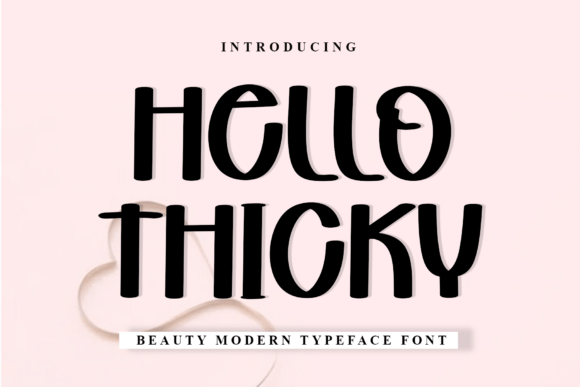
If you're looking to bring a sense of warmth and approachability to your next design project, Hello Boy might just be the typeface you’ve been waiting for. This charming handwritten display font carries a distinct personality—friendly, expressive, and just a little whimsical. Unlike rigid, machine-generated fonts, Hello Boy feels like a personal note from a close friend, making it ideal for projects that benefit from an emotional connection.
What Makes Hello Boy Stand Out
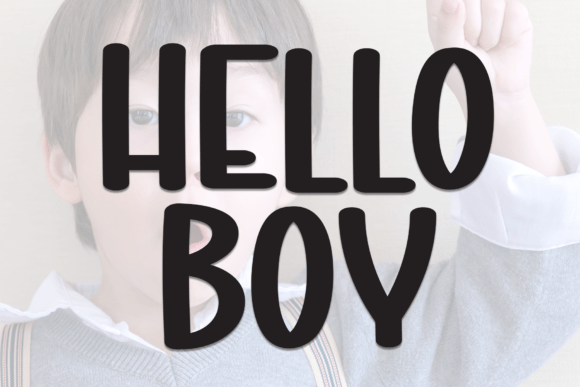
At first glance, Hello Boy catches the eye with its fluid, natural strokes and playful imperfections. It’s not perfectly symmetrical, nor is it meant to be. Its uneven baselines, varied letter spacing, and subtle texture mimic the organic nature of real handwriting. The font leans into a casual, slightly informal tone, which gives it a sense of authenticity and relatability. It’s the kind of font that feels personal and human, rather than sterile or corporate.
Each letter carries a bit of character—some with small flourishes, others with a more grounded, steady presence. This mix of expressive and grounded forms helps maintain visual interest without overwhelming the reader. While it's clearly a handwritten font, it avoids the overly decorative pitfalls that can make some script fonts hard to read in longer passages.
Where Hello Boy Works Best
Hello Boy shines in design contexts where warmth and personality are key. It’s particularly well-suited for wedding invitations, greeting cards, packaging design, and social media graphics. Because of its expressive nature, it works beautifully in branding for lifestyle brands, boutique businesses, or creative professionals who want to convey a sense of approachability and sincerity.
For logo design, Hello Boy can be a powerful tool when used with restraint. A logotype built around this font feels personal and memorable—perfect for brands that want to stand out through emotional resonance rather than boldness or formality. In packaging design, especially for handmade or artisanal products, it adds a sense of authenticity and craftsmanship.
- Wedding and event invitations
- Personalized greeting cards
- Boutique brand logos
- Handmade product packaging
- Social media quotes and graphics
How Hello Boy Influences Design Perception
Typography plays a quiet but powerful role in shaping how audiences perceive a brand or message. Hello Boy’s expressive nature immediately communicates warmth, sincerity, and creativity. When used thoughtfully, it can help establish a brand identity that feels personal and human—especially valuable in a digital world where many brands struggle to feel authentic.
From a visual hierarchy perspective, Hello Boy works best as a display font. It's not ideal for long-form body copy, but it excels in headlines, pull quotes, and call-to-action buttons. Its distinctive character helps draw attention where it's needed most, making it a strong choice for editorial design or marketing materials that rely on emotional impact.
Consistency is key when using any creative font in branding. If Hello Boy is part of your brand’s typography system, it should be used consistently across all touchpoints—digital and print. This repetition builds familiarity and strengthens brand recognition over time.
Practical Tips for Using Hello Boy
Before diving into a full project with Hello Boy, take time to evaluate how it fits within your overall design goals. Here are a few practical considerations:
- Test readability – While Hello Boy is designed to be legible, always test it at different sizes and in different contexts (e.g., on screens vs. print).
- Pair with complementary fonts – For balance, pair Hello Boy with a clean sans serif or serif font. This helps create contrast while maintaining readability.
- Review included styles – Check if the font package includes multiple weights or alternate characters. These can add flexibility for different design applications.
- Consider licensing – Make sure the font is licensed for commercial use if you're applying it to client work or products for sale.
When pairing Hello Boy with other fonts, opt for something structured and neutral. A modern sans serif like Montserrat or a classic serif like Merriweather can provide a nice visual counterbalance without competing for attention.
Real-World Examples and Design Insights
One effective use of Hello Boy is in a small bakery’s branding. Imagine a logo that reads “Sally’s Sweets” in Hello Boy, paired with a clean, readable sans serif for the tagline. On packaging, the font could appear on custom thank-you cards or handwritten-style labels for seasonal specials. In digital marketing, it could be used for quote graphics on Instagram or Pinterest, where emotional resonance plays a big role in engagement.
In web design, Hello Boy works well in hero headers or call-to-action buttons—especially for sites that aim to feel personal, like a blog or creative portfolio. Just be sure to use web-safe fallbacks or embed the font properly to ensure cross-browser consistency.
For print design, Hello Boy adds a tactile, handcrafted feel to posters, flyers, and editorial illustrations. It pairs beautifully with watercolor textures or soft pastel backgrounds, enhancing the overall sense of warmth and intimacy.
Final Thoughts on Choosing Hello Boy
Hello Boy isn’t just another display font—it’s a design asset that brings personality and warmth to your creative work. Whether you're designing for print, digital, or brand identity, this premium font offers a unique blend of charm and versatility. By understanding its strengths and limitations, and by pairing it thoughtfully with other design elements, you can elevate your projects with a touch of genuine, handwritten appeal.