Smart Child: A Modern Display Font for Contemporary Design Needs
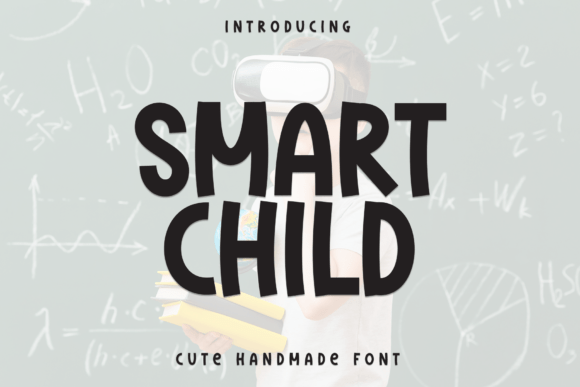
In a world where visual communication plays a central role in branding and user engagement, typography has become more than just an aesthetic choice—it’s a strategic decision. Smart Child, a casual and neat display font, has emerged as a go-to option for designers looking to convey warmth, clarity, and modernity in equal measure. Its clean lines, balanced letterforms, and subtly rounded edges make it a standout in the evolving landscape of digital and print design.
What Makes Smart Child Stand Out
At first glance, Smart Child strikes a balance between structure and approachability. It blends the simplicity of modern sans-serif typography with the organic feel of handwritten lettering. This hybrid quality allows it to perform well in both digital and physical applications, from website headers to product packaging. Unlike overly stylized fonts that can feel gimmicky, Smart Child maintains a polished finish that enhances readability without sacrificing personality.
The font’s design philosophy centers around user experience. In an era where attention spans are short and visual clarity is paramount, Smart Child offers a legible, visually soothing alternative to more rigid typefaces. Its subtle curvature and open spacing ensure that text remains easy to digest, even at a glance.
Typography Trends and the Rise of Approachable Design
Design trends in recent years have leaned heavily toward minimalism, authenticity, and emotional connection. Audiences today respond to brands and content that feel human, relatable, and trustworthy. This shift has led to a growing preference for fonts that convey warmth and sincerity—qualities that Smart Child delivers with its soft edges and clean structure.
One of the key movements in typography is the move away from overly formal or industrial typefaces toward more personable, handcrafted aesthetics. Smart Child fits seamlessly into this trend by offering a modern interpretation of handwritten design without compromising on professionalism. It bridges the gap between casual and refined, making it versatile enough for a wide range of applications.
How Smart Child Supports Branding and Visual Identity
For businesses and creatives, establishing a strong visual identity is essential. Typography plays a foundational role in this process, often serving as the first point of visual contact between a brand and its audience. Smart Child’s friendly yet structured appearance makes it ideal for brands that want to appear both approachable and competent.
- Startups and small businesses can use Smart Child to project a fresh, modern image without appearing overly casual.
- Educational platforms and children’s content creators may find it especially effective for conveying trust and accessibility.
- Content marketers and bloggers can integrate it into digital banners or social media visuals to enhance readability and emotional resonance.
From Print to Screen: A Font for All Mediums
The digital-first nature of today’s design workflows demands fonts that perform well across devices and screen sizes. Smart Child’s crisp structure ensures that it remains sharp and readable whether used in a mobile app headline or a printed product label. Its adaptability is a key reason for its growing popularity among designers who work across both digital and physical formats.
Consider the rise of hybrid work and digital communication. Emails, presentations, and landing pages all benefit from fonts that are clear and visually engaging. Smart Child’s balance of warmth and precision makes it a reliable choice for these environments, where legibility and tone both matter.
Real-World Applications of Smart Child
Let’s look at a few practical examples of how Smart Child is being used effectively in modern design:
- Brand Logos: Companies that want to appear friendly yet professional are increasingly opting for display fonts like Smart Child in their logo design. Its clean structure ensures scalability without losing character.
- Website Headers: In web design, Smart Child can be used sparingly to highlight key messages or calls to action, adding a human touch to an otherwise structured layout.
- Packaging Design: From artisanal food products to lifestyle brands, Smart Child brings a sense of warmth and authenticity to packaging, helping products stand out on shelves or in online marketplaces.
Why Designers Are Paying Attention to Smart Child
The evolution of digital design tools and the increasing accessibility of high-quality fonts have changed how designers approach typography. With platforms like Canva, Figma, and Adobe Express making design more approachable to non-designers, there’s a growing demand for fonts that are both easy to use and visually compelling. Smart Child fits this need perfectly—it’s intuitive, readable, and adaptable across different design contexts.
Moreover, as remote collaboration and digital-first workflows become the norm, designers are looking for typefaces that communicate clarity and approachability in everything from presentation decks to marketing emails. Smart Child’s ability to convey both professionalism and warmth makes it a smart choice for these evolving needs.
Choosing the Right Context for Smart Child
While Smart Child is highly versatile, it’s best suited for display use rather than long-form body text. It excels in headlines, branding elements, and interface design, where its personality can shine without overwhelming the reader. When using Smart Child in a design project, consider pairing it with a more neutral sans-serif or serif font to maintain balance and hierarchy.
For instance, a digital campaign might use Smart Child for a headline overlaid on a hero image, while body text is rendered in a clean, simple font like Open Sans or Lato. This contrast enhances readability while preserving the emotional tone of the headline.
The Future of Typography and Smart Child’s Place in It
As design continues to evolve alongside technology and user expectations, typography will remain a critical component of effective communication. Fonts like Smart Child represent a growing category of typefaces that prioritize both function and feeling. They reflect a broader shift toward human-centered design—where clarity, warmth, and approachability are not just nice-to-have qualities but essential elements of visual strategy.
Looking ahead, we can expect to see more demand for fonts that offer both flexibility and emotional resonance. Whether in branding, UX design, or content marketing, Smart Child is well-positioned to meet these needs by offering a timeless yet contemporary aesthetic that adapts to changing design landscapes.