Tape Wrap Bold: A Bold Choice with Hidden Pitfalls
What Is Tape Wrap Bold and Why It Stands Out
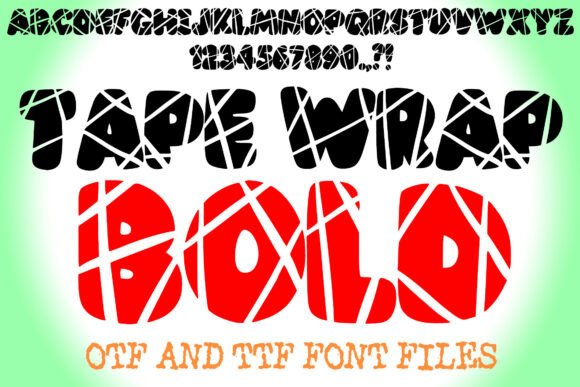
Tape Wrap Bold is not your average font. It’s a high-impact display typeface that mimics the look of letters wrapped tightly in strips of tape. Its jagged edges, irregular internal lines, and heavy weight give it a raw, industrial aesthetic. This makes it ideal for designs that need to convey attitude—think posters, album covers, streetwear branding, and event graphics.
Unlike more traditional fonts, Tape Wrap Bold thrives on contrast and texture. Its design is intentionally fragmented, which creates a sense of tension and movement. When used correctly, it can elevate a design from ordinary to unforgettable. But because of its strong visual presence, it also comes with some important considerations.
Common Missteps When Using Tape Wrap Bold
Many designers, especially those new to typography, are drawn to Tape Wrap Bold for its boldness and edge. However, without a clear understanding of its characteristics, it's easy to misuse. Below are some of the most common mistakes and how to avoid them.
1. Using It for Body Text
One of the biggest mistakes is using Tape Wrap Bold for long blocks of text. Its design is meant for headlines and short bursts of text. The irregular shapes and tight spacing make it difficult to read in paragraph form.
Better approach: Reserve Tape Wrap Bold for titles, logos, or short slogans. Pair it with a clean, legible sans-serif for body text to maintain readability and visual balance.
2. Ignoring the Format and Licensing
Tape Wrap Bold is available in both OTF and TTF formats, which are compatible with most design software. However, some users download the font without checking the licensing terms, which can lead to legal issues, especially in commercial projects.
Better approach: Always verify the font’s license before use. If you're using it for a client project or a product you're selling, ensure you have the appropriate commercial-use rights.
3. Overusing It Across Multiple Design Elements
Because of its striking appearance, some designers are tempted to use Tape Wrap Bold everywhere—headlines, subheadings, captions, and even buttons. This overuse can make a design feel chaotic and unprofessional.
Better approach: Use it selectively. Let it shine in one or two key areas of your design and support it with more neutral typefaces. This creates visual hierarchy and prevents sensory overload.
4. Not Checking Legibility at Different Sizes
While Tape Wrap Bold looks powerful at large sizes, it can become muddy or illegible when scaled down. The tight internal lines and negative spaces that give it character can also obscure letterforms when small.
Better approach: Test the font at various sizes before finalizing your layout. If it's going to be viewed on mobile devices or printed materials, make sure it remains readable at smaller scales.
5. Failing to Consider the Overall Design Theme
This font has a very specific vibe—raw, industrial, and rebellious. If your design calls for elegance, minimalism, or professionalism, Tape Wrap Bold might clash with the overall message.
Better approach: Match the font to your project’s tone. If you're designing a luxury brand or formal invitation, this font likely isn’t the best fit. But for a punk-inspired music poster or a bold streetwear line, it could be perfect.
How These Mistakes Impact Your Work
Misusing Tape Wrap Bold can lead to several issues:
- Reduced readability—especially in body text or small sizes.
- Unprofessional appearance—from overuse or mismatched design themes.
- Legal complications—if licensing terms are ignored.
- Poor audience engagement—if the font doesn’t align with the intended message.
These issues can undermine the effectiveness of your design and even damage your reputation, especially in client work or marketing materials.
What to Check Before Using Tape Wrap Bold
Before incorporating Tape Wrap Bold into your project, ask yourself the following:
- Is this font appropriate for the message and audience? Make sure it aligns with the tone you want to convey.
- Will it be readable in the intended size and context? Test it in your layout at actual usage sizes.
- Do I have the right license? Confirm whether the font allows for commercial use, web embedding, or other applications you need.
- Am I using it in the right format? Choose OTF or TTF based on your software and project needs.
- Am I pairing it well with other fonts? Balance is key to a cohesive design.
Final Thoughts: Use Tape Wrap Bold with Purpose
Tape Wrap Bold is a powerful design tool, but like any strong visual element, it requires thoughtful application. Its industrial aesthetic and bold presence can elevate a design when used correctly—but can also distract or confuse if misapplied.
Whether you're a beginner or a seasoned designer, always test the font in context, respect its limitations, and ensure your use aligns with both the project’s goals and the font’s intended style. By avoiding common mistakes and making informed choices, you can harness the full potential of Tape Wrap Bold while maintaining clarity, professionalism, and visual impact.