Candy Rainbow: A Clean, Playful Font for Modern Design Projects
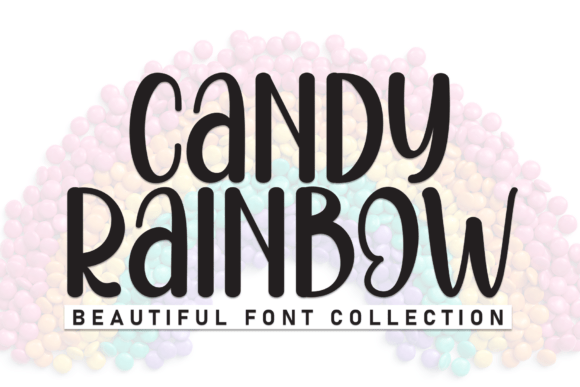
When it comes to choosing the right typeface for a design project, the balance between personality and readability is crucial. Candy Rainbow steps into this space with a clear purpose — to offer a neat, casual display font that maintains clarity while delivering a relaxed, approachable tone. It’s not just another decorative font; its clean structure and friendly letterforms make it a versatile choice for a range of design applications, from branding to packaging and beyond.
Understanding the Design Philosophy Behind Candy Rainbow
Candy Rainbow was created with a focus on simplicity and charm. Unlike overly stylized fonts that can distract from the message, this typeface maintains a balanced structure that enhances readability without sacrificing visual appeal. The rounded edges and open counters contribute to its inviting nature, while the consistent stroke widths ensure legibility even at smaller sizes.
What sets Candy Rainbow apart is its ability to convey warmth and modernity simultaneously. It avoids the overly retro or kitschy aesthetic often found in casual fonts, instead opting for a more timeless and adaptable look. This makes it especially useful for brands and creators aiming to communicate a sense of approachability without appearing informal to the point of unprofessionalism.
Key Features and Practical Strengths
- Clean, modern letterforms that retain a handcrafted feel
- Excellent readability in both digital and print formats
- Playful yet balanced character shapes that work across design contexts
- Consistent spacing and kerning for professional-grade typesetting
These characteristics make Candy Rainbow particularly well-suited for use in headlines, promotional materials, and user-facing design elements where clarity and personality both matter. It performs especially well in environments where the goal is to engage an audience visually without compromising legibility.
Real-World Applications and Performance
From a practical standpoint, Candy Rainbow shines in branding and packaging design. For example, a boutique coffee shop looking to refresh its label design might choose Candy Rainbow for its product tags or menu headers. The font’s clean, rounded aesthetic complements minimalist packaging while still standing out on shelves.
In digital contexts, Candy Rainbow works well in UI design for mobile apps or web banners where a casual tone is appropriate. Its legibility ensures it doesn’t become a barrier to communication, and its modern appearance aligns with current design trends without feeling overly trendy or short-lived.
Who Benefits Most from Using Candy Rainbow?
Candy Rainbow is especially valuable to designers, marketers, and small business owners who need a font that can bridge the gap between professional and personable. It’s ideal for:
- Branding projects for lifestyle, wellness, or creative businesses
- Packaging design for food, beverage, or artisanal products
- Marketing materials such as posters, social media graphics, and digital ads
- UI/UX elements in apps or websites with a casual or playful tone
Entrepreneurs and freelancers working on client-facing design work will appreciate its flexibility. Educators and content creators looking to make their materials more engaging can also benefit from its approachable appearance without sacrificing professionalism.
Usability and Workflow Integration
Integrating Candy Rainbow into a design workflow is straightforward. As a display font, it’s best used for headlines and short text blocks rather than body copy. Designers working in Adobe Creative Suite, Figma, or Canva should find it easy to implement, and it typically comes with standard character sets that support most Western languages.
One practical consideration is pairing Candy Rainbow with complementary fonts. A clean sans-serif like Helvetica or Montserrat works well as a supporting typeface, maintaining visual harmony while ensuring readability in longer content sections.
Long-Term Value and Design Longevity
Design trends come and go, but Candy Rainbow strikes a balance that should keep it relevant for years. Its design avoids extreme stylistic choices that could date quickly, making it a reliable choice for brands and creators seeking a modern yet enduring visual identity. Additionally, its clear structure and legibility ensure it remains functional even as screen resolutions and display technologies evolve.
From a licensing perspective, designers should verify usage rights, especially for commercial or large-scale deployment. Most quality font providers offer clear licensing terms, which is essential for ensuring legal compliance in professional settings.
Potential Limitations to Consider
While Candy Rainbow offers many strengths, it’s not a one-size-fits-all solution. Due to its casual nature, it may not be appropriate for formal or technical contexts where a more traditional serif or sans-serif typeface would be expected. Additionally, because it’s a display font, using it for extended body text could lead to fatigue or reduced readability.
Designers should also be mindful of overuse. Like any distinctive font, Candy Rainbow can lose its impact if applied too broadly across a design. Strategic use in key visual areas — such as headlines or call-to-action buttons — will maximize its effectiveness.
Final Thoughts: Is Candy Rainbow Right for Your Project?
Candy Rainbow stands out as a thoughtful, well-executed font that delivers both visual appeal and practical usability. It’s particularly effective for designers and brands looking to communicate a modern, friendly tone without compromising clarity or professionalism. Whether you're working on a logo, packaging, or digital campaign, it offers a versatile and engaging option that can elevate your design without overshadowing your message.
For those seeking a font that balances style with substance, Candy Rainbow is worth a closer look. Its clean structure, approachable personality, and adaptability across design formats make it a solid addition to any designer’s toolkit — especially when the goal is to connect with an audience in a warm, accessible way.