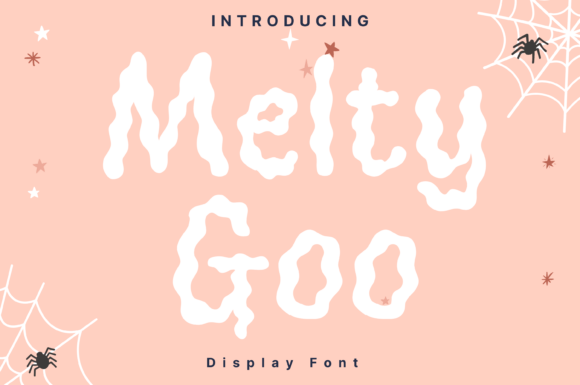
Melty Goo: A Playful, Eerie Font for Bold Design Projects
If you're looking to inject a sense of fun, mischief, or mild creepiness into your design work, Melty Goo might just be the typeface you’ve been waiting for. This drippy, organic display font mimics the look of melting wax or oozing slime, making it a standout choice for designers who want to break away from conventional typography. Whether you're crafting Halloween posters, quirky brand identities, or experimental digital art, Melty Goo brings a tactile, fluid aesthetic that’s hard to ignore.
What sets Melty Goo apart is its irregular, hand-drawn quality. Unlike rigid, geometric fonts, this typeface embraces asymmetry and fluidity. Each letter appears to be in motion, as if it's slowly dripping or stretching under its own weight. This gives designs a sense of spontaneity and organic energy, perfect for projects that want to feel less polished and more expressive.
Key Features of Melty Goo
Melty Goo isn’t just about looks—it’s built for impact. Here are some of its defining traits:
- Organic, asymmetrical shapes that mimic real-world textures like slime or melting wax.
- Highly stylized letterforms that emphasize movement and imperfection.
- Spooky yet playful vibe, making it ideal for both Halloween designs and lighthearted branding.
- Excellent legibility at large sizes, especially effective in titles and headers.
- Support for multiple characters, including uppercase, numbers, and basic punctuation.
Because of its strong visual presence, Melty Goo works best as a display font rather than for body text. It’s meant to grab attention, not to be read for long periods. When used appropriately, it can elevate a design from ordinary to memorable.
Where Can You Use Melty Goo?
The versatility of Melty Goo makes it a valuable tool across a wide range of design environments. Here are a few practical applications where this font shines:
Halloween and Horror Projects
Whether you're designing a movie poster, event flyer, or themed invitation, Melty Goo adds a sense of eerie unpredictability. Its melting appearance enhances the spooky atmosphere, making it an excellent choice for horror-themed content. Pair it with dark backgrounds and gory textures for maximum effect.
Branding and Packaging
Quirky brands that want to stand out—especially in food, toy, or novelty markets—can benefit from the playful nature of Melty Goo. It’s particularly effective for limited-edition packaging or seasonal promotions where a sense of fun and impermanence is part of the appeal.
Children’s Media and Educational Materials
In educational settings, especially those aimed at younger audiences, Melty Goo can make learning materials more engaging. Use it in book covers, science fair posters, or classroom decorations to create a sense of wonder and curiosity. Just be mindful of readability—save it for titles rather than instructional text.
Web and App Design
While not ideal for long-form content, Melty Goo can add flair to digital interfaces. Use it sparingly in hero headers, app icons, or interactive elements where a sense of playfulness enhances user experience. Web designers should test its legibility across devices and screen sizes before full implementation.
Real-World Examples of Melty Goo in Action
Let’s take a look at how Melty Goo can be applied in real creative scenarios:
- A local haunted house attraction used Melty Goo in their social media graphics and event banners. The font’s dripping appearance helped create a cohesive theme across digital and print materials, boosting brand recognition and engagement.
- A children’s science YouTube channel incorporated Melty Goo into their intro animations to represent “slime experiments.” The font’s fluid design aligned perfectly with the show’s theme, making the branding more cohesive and visually appealing.
- An independent game developer used Melty Goo in their game title and menu screens for a retro, horror-inspired indie title. The font contributed to the eerie atmosphere and helped the game stand out in crowded app stores.
Practical Considerations When Using Melty Goo
Like any design element, Melty Goo should be used thoughtfully. Here are some tips to get the most out of this expressive font:
- Use it at the right size – Since it’s a display font, keep it large. Small text can become illegible due to the fluid, overlapping shapes.
- Pair it with simpler fonts – Balance the chaos of Melty Goo with clean, sans-serif fonts in body copy to maintain readability and visual harmony.
- Test across platforms – Especially in digital use cases, ensure that the font renders well on different screens and browsers.
- Check licensing – Make sure you have the appropriate license for your intended use, especially if you’re applying it in commercial projects.
- Limit its use – Too much of a good thing can be overwhelming. Use Melty Goo to highlight key elements, not for extended blocks of text.
Why Melty Goo Works for Modern Designers
In an era where visual differentiation is crucial, Melty Goo offers a refreshing alternative to overused, minimalist fonts. Its tactile, unpredictable nature appeals to audiences who crave originality and emotional resonance. Whether you're designing for print, web, or multimedia, this font helps you create a mood, tell a story, and connect with your audience on a more visceral level.
Designers who appreciate texture, movement, and personality in typography will find Melty Goo to be a versatile and expressive tool. It’s not just a font—it’s a statement. And in a world where attention spans are short, making a bold typographic impression can be the difference between being seen and being overlooked.