Diary Journal: A Warm and Versatile Font for Creative Expression
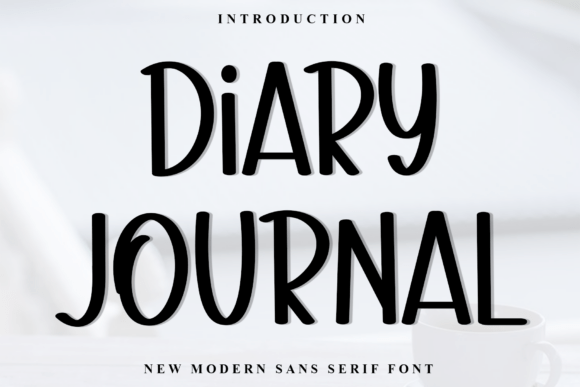
Fonts play a crucial role in how we communicate visually. Whether you're designing a personal project, a business invitation, or social media content, the right font can make your message more engaging and memorable. Diary Journal is one such font that stands out for its approachable and creative personality. Designed with soft, round strokes and a hand-drawn charm, it brings a sense of warmth and playfulness to any design.
Understanding the Unique Style of Diary Journal
At first glance, Diary Journal feels like a handwritten note from a close friend. Its rounded edges and uneven baseline give it a natural, human touch that digital fonts often lack. This casual aesthetic makes it ideal for projects that aim to feel personal and authentic.
Unlike rigid, formal fonts, Diary Journal embraces imperfection. The strokes vary in weight and angle, mimicking the natural flow of ink on paper. This subtle irregularity adds character and makes the font feel more organic and expressive.
Key Features of Diary Journal
- Hand-drawn design for a natural, personal look
- Round, playful strokes that enhance readability and warmth
- Standard PUA-encoded glyphs for broad compatibility across design platforms
- Supports multiple languages and special characters for global use
Where Can You Use Diary Journal?
Diary Journal is not just a pretty font—it’s a versatile tool for a wide range of creative and professional applications. Here are some of the most common use cases:
1. Personal Projects and Journaling
As the name suggests, Diary Journal is perfect for personal diaries, scrapbooks, and memory-keeping. Its informal style makes it feel intimate, like you're reading someone’s private thoughts. Whether you're creating a digital journal or a printed planner, this font adds a comforting, handwritten feel.
2. Invitations and Greeting Cards
Weddings, birthdays, baby showers—any event that calls for a warm and personal touch can benefit from Diary Journal. It pairs beautifully with elegant scripts or clean sans-serif fonts for a balanced, modern look. Designers often use it for invitations to create a sense of joy and familiarity.
3. Social Media Graphics and Branding
On platforms like Instagram, Pinterest, and TikTok, visual appeal is key. Diary Journal helps content creators stand out with its friendly and approachable style. It’s commonly used in quote posts, motivational graphics, and brand assets for small businesses or influencers who want to convey authenticity.
4. Children’s Books and Educational Materials
Because of its playful and easy-to-read style, Diary Journal is also a favorite among educators and illustrators. It works well in children’s books, activity sheets, and educational infographics where clarity and charm are equally important.
Who Benefits Most from Using Diary Journal?
While anyone can enjoy using Diary Journal, certain groups will find it especially useful:
- Content creators looking to build a warm and relatable brand identity
- Event planners designing custom invitations and décor
- Freelance designers working on boutique or personal client projects
- Small business owners crafting handmade-style marketing materials
- Bloggers and social media managers creating visually engaging posts
Compatibility Across Design Platforms
One of the major advantages of Diary Journal is its compatibility with a wide range of design software. Thanks to its PUA (Private Use Area) encoding, the font works seamlessly in popular tools such as:
- Adobe Photoshop
- Adobe Illustrator
- CorelDRAW
- Canva
- Figma
- Procreate (for digital lettering and illustration)
This means whether you're a seasoned designer or just starting out, you can easily integrate Diary Journal into your workflow without worrying about technical limitations.
Strengths and Limitations of Diary Journal
Like any font, Diary Journal has its strengths and situations where it may not be the best fit. Understanding these can help you make the most informed design decisions.
Advantages
- Approachable and friendly tone that connects with audiences emotionally
- Highly readable even in smaller sizes, thanks to its open letterforms
- Unique character that helps designs stand out from generic templates
- Easy to pair with other fonts for layered, dynamic layouts
Considerations
- Not ideal for formal documents or corporate branding that requires a polished, professional tone
- May appear too casual for technical or academic materials
- Limited weight variations compared to some modern font families
How to Evaluate if Diary Journal Fits Your Project
Before selecting a font, it's important to consider your audience, the message you want to convey, and the overall design aesthetic. Ask yourself:
- Is the tone of my project casual, creative, or emotional?
- Am I trying to create a sense of intimacy or nostalgia?
- Will the font be used in print, digital, or both formats?
- Do I need support for special characters or multilingual content?
If the answers align with a warm, personable style, Diary Journal could be an excellent choice. However, if your project leans more formal or requires strict typographic consistency, you may want to explore other options.
Real-World Examples of Diary Journal in Action
Here are a few practical examples of how Diary Journal is being used effectively:
- A local bakery uses it in Instagram posts to highlight daily specials, giving their brand a cozy, homemade feel.
- A wedding invitation designer pairs Diary Journal with a classic serif font to create a balanced, modern yet romantic layout.
- An online journaling app incorporates the font in its UI to make users feel like they're writing in a real diary.
- A children’s book illustrator uses it for captions and speech bubbles to match the playful tone of the artwork.
Conclusion
Diary Journal is more than just a font—it’s a design tool that brings warmth, creativity, and personality to any project. Whether you're crafting a personal note, designing a social media post, or developing a brand identity, this font offers a unique blend of charm and functionality. By understanding its strengths and limitations, you can make informed decisions about when and how to use it for the best results.
If you're looking to add a touch of handwritten charm to your next design, consider giving Diary Journal a try. It might just be the perfect match for your creative vision.