Embracing Nature in Typography: The Rise of Dakodur for Creative and Brand Projects
In an era where digital design often leans toward sleek minimalism, a counter-movement is gaining momentum—one that celebrates texture, imperfection, and the raw beauty of the natural world. At the forefront of this trend is Dakodur, a bold wood-inspired display font that brings a rugged, hand-carved aesthetic into modern typography. With its uneven cuts and textured strokes, Dakodur offers a unique visual language that resonates with audiences seeking authenticity, warmth, and organic appeal.
What Is Dakodur?
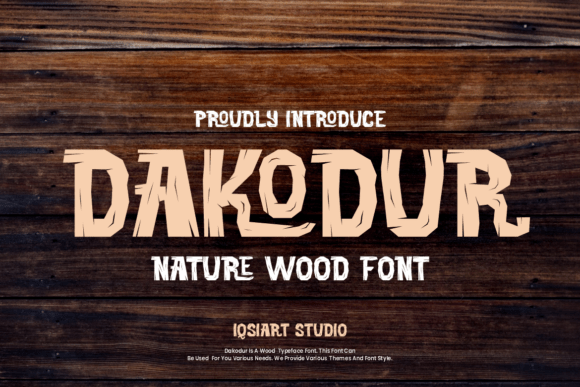
Dakodur is not just another decorative font; it's a design statement. Inspired by the natural grain and irregularities of carved wood, this display typeface mimics the look of letters painstakingly etched by hand. Each character carries subtle variations in line weight and edge texture, evoking the craftsmanship of traditional woodcarving while maintaining the clarity and legibility needed for modern use.
Unlike mass-produced sans-serif or serif fonts that prioritize uniformity, Dakodur leans into its imperfections. The font’s rugged appearance gives it a tactile quality that digital screens often lack, making it ideal for projects that aim to evoke a sense of heritage, authenticity, or adventure.
Why Dakodur Fits Today’s Creative Landscape
The rise of Dakodur aligns with broader shifts in design preferences across industries. Consumers are increasingly drawn to brands and products that feel genuine, handcrafted, and rooted in nature. This trend is evident in everything from packaging design to web aesthetics, where organic textures, earthy tones, and artisanal touches are becoming the norm rather than the exception.
In branding and marketing, the demand for emotional connection is stronger than ever. Audiences no longer respond to sterile, over-polished visuals alone—they crave stories, personality, and relatability. Dakodur’s textured, handcrafted appearance taps directly into this need. Whether used in a logo, poster, or product label, it communicates strength, resilience, and a connection to the outdoors.
Applications Across Industries
Dakodur’s versatility makes it a compelling choice across multiple creative and commercial domains:
- Outdoor and Adventure Brands: From hiking gear to eco-tourism companies, Dakodur adds a rugged, earthy tone that aligns with the spirit of exploration and resilience.
- Children’s Media and Products: The playful, slightly whimsical nature of Dakodur lends itself well to children’s books, toys, and educational materials.
- Artisanal and Craft Businesses: Whether it's a local brewery, handmade soap brand, or indie bookstore, Dakodur reinforces the idea of craftsmanship and authenticity.
- Poster and Print Design: Its strong presence and textured detail make it ideal for event posters, art prints, and limited-edition packaging.
The Psychology Behind the Appeal
Why are designers and consumers gravitating toward fonts like Dakodur? Part of the answer lies in psychology. In a world dominated by digital interfaces and synthetic experiences, there’s a growing desire to reconnect with the physical and the natural. Fonts that mimic real-world textures—like wood, stone, or fabric—can evoke sensory memories and emotional responses that clean, digital typefaces often miss.
Dakodur’s uneven strokes and tactile appearance trigger associations with craftsmanship, tradition, and durability. These qualities are especially valuable in branding, where trust and emotional resonance are key drivers of consumer loyalty.
Designers and Entrepreneurs Are Taking Note
Professionals across creative fields—from freelance designers to startup founders—are recognizing the power of Dakodur in shaping brand identity. For entrepreneurs launching niche products or lifestyle brands, the font offers a way to stand out in a crowded market by signaling authenticity and quality.
Freelancers and agencies are also incorporating Dakodur into client projects that require a bold, memorable visual voice. Its distinctive style ensures that it doesn’t get lost in a sea of modern minimalism, making it a strategic choice for branding that needs to feel both strong and grounded.
How Dakodur Enhances User Experience
While Dakodur shines in visual branding, it also plays a role in enhancing user experience (UX) design. In digital environments, texture and contrast can guide attention, create visual hierarchy, and make interfaces feel more engaging. Although not suitable for long-form reading, Dakodur excels in headlines, call-to-action buttons, and promotional banners—areas where visual impact is critical.
For websites or apps that aim to evoke a sense of adventure or nature, using Dakodur sparingly can reinforce the overall theme and improve emotional engagement. When paired with clean, legible fonts for body text, it creates a balanced, visually appealing composition that draws users in without compromising readability.
Practical Tips for Using Dakodur
Here are a few best practices for incorporating Dakodur into your design projects:
- Limit usage to headlines and accents: Due to its heavy texture and lack of fine detail, Dakodur works best at larger sizes and in short bursts.
- Pair with complementary fonts: Combine Dakodur with simple sans-serif or serif fonts to maintain readability and balance.
- Use in print and digital media: Dakodur performs well in both environments, especially when printed on textured paper or displayed on high-resolution screens.
- Customize for brand alignment: Many designers tweak Dakodur’s spacing or color to better fit a brand’s color palette or tone.
The Bigger Picture: Typography as a Reflection of Cultural Shifts
The popularity of Dakodur is part of a larger trend in typography and design: a return to human-centered, emotionally resonant communication. As consumers become more discerning and values-driven, brands must adapt by embracing authenticity, sustainability, and storytelling.
This shift is evident not just in design, but in business practices and consumer expectations. People want to know the story behind the product, the values of the brand, and the people involved in its creation. Typography, as a key element of visual identity, plays a crucial role in conveying these messages.
Dakodur’s textured, handcrafted look mirrors the broader movement toward artisanal and locally sourced products, sustainable practices, and a deeper connection to nature. In this context, the font becomes more than just a design choice—it becomes a symbol of intentionality and care.
Looking Ahead: Dakodur and the Future of Design
As technology continues to evolve, so too will the tools and trends in typography. However, the underlying desire for authenticity and emotional connection remains constant. Fonts like Dakodur are likely to remain relevant as long as audiences continue to seek out brands and experiences that feel genuine and rooted in real-world craftsmanship.
Moreover, with the rise of AI-generated design tools and automated workflows, the value of human touch and imperfection becomes even more pronounced. Dakodur represents a counterbalance to the overly polished, algorithm-driven aesthetics that dominate much of digital design today.
Conclusion
In a design landscape increasingly defined by speed, scalability, and efficiency, Dakodur offers a refreshing reminder of the beauty found in imperfection and nature. Its rugged, wood-inspired aesthetic speaks to a growing desire for authenticity, emotional depth, and meaningful visual storytelling.
For professionals, creators, and entrepreneurs looking to build brands that stand out and connect, Dakodur is more than just a font—it’s a tool for expressing values, evoking emotion, and creating memorable experiences. As the design world continues to evolve, fonts like Dakodur will remain essential in bridging the gap between digital efficiency and human warmth.