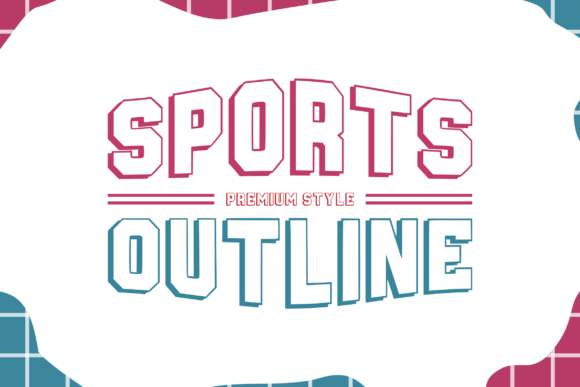
Sportsoutline Regular: A Bold Font for Dynamic Designs
When it comes to making a strong visual impression in sports-themed design, the right font can make all the difference. Sportsoutline Regular is a dynamic outline font crafted to reflect the energy and intensity of modern athletics. Its clean, bold letterforms are instantly recognizable, making it a popular choice for everything from jersey designs to promotional merchandise.
Whether you're designing a team logo, creating animated titles, or printing on mugs and tote bags, Sportsoutline Regular adapts well to a variety of creative needs. Its athletic edge and high-energy style give designs a competitive visual boost without sacrificing clarity or professionalism.
Common Missteps When Using Sportsoutline Regular
Despite its versatility, many designers—especially those new to typography—make avoidable mistakes when working with Sportsoutline Regular. These missteps can affect readability, visual balance, and even the effectiveness of the design in its intended context.
1. Overlooking Readability at Small Sizes
One of the most frequent issues with Sportsoutline Regular is using it at sizes that are too small. Because it’s an outline font, its visual impact is strongest when used prominently. At smaller sizes, letters can become thin and difficult to read, especially in printed materials or low-resolution displays.
Better approach: Reserve Sportsoutline Regular for headlines, titles, or large-format applications like banners and posters. For body text or small labels, pair it with a more legible sans-serif font to maintain clarity without sacrificing style.
2. Improper Kerning and Spacing
Outline fonts like Sportsoutline Regular often require manual adjustments to spacing. Automatic kerning in design software may not account for the unique visual weight of outline characters, leading to uneven or awkward spacing between letters.
Better approach: Always review and adjust letter spacing manually, especially in logotypes or wordmarks. Use visual judgment rather than relying solely on default settings to ensure a balanced and professional appearance.
3. Misjudging Contrast and Background Interaction
Designers sometimes place Sportsoutline Regular over busy or high-contrast backgrounds without considering how the outline style interacts visually. This can cause the text to blend into the background or appear washed out.
Better approach: Use a solid color fill inside the outline or apply a subtle drop shadow to ensure the text stands out clearly. Test the design in different lighting conditions or on various materials—especially for printed or embroidered applications like jerseys or promotional items.
4. Ignoring Licensing Restrictions
Another overlooked detail is the font’s licensing terms. Some versions of Sportsoutline Regular are free for personal use but require a commercial license for business applications. Failing to verify and obtain the appropriate license can lead to legal complications.
Better approach: Always check the licensing agreement before using the font in client work, merchandise, or digital products. If you're unsure, contact the font provider or choose a verified source that clearly states usage rights.
Choosing the Right Application for Sportsoutline Regular
Sportsoutline Regular excels in high-energy, visually driven projects. It works especially well in the following scenarios:
- Team jerseys and sports apparel
- Animated title sequences and motion graphics
- Sublimation prints on mugs, tumblers, and tote bags
- Comic book titles and graphic novel headers
- Event posters and promotional banners
However, it’s not always the best fit for every project. For example, using it in lengthy digital content or formal branding may reduce readability or send the wrong tone. Understanding the context and audience helps ensure the font enhances rather than distracts from your message.
How to Evaluate Sportsoutline Regular Before Use
Before committing to Sportsoutline Regular in your design, consider the following checks to ensure it’s the right choice:
- Preview at multiple sizes: See how the font looks both large and small across different devices.
- Test with different colors: Try it in solid fills, gradients, and outline-only styles to see what works best for your design.
- Check for character completeness: Ensure the font includes all the glyphs, symbols, and special characters you may need.
- Verify file formats: Confirm that the font comes in compatible formats (like OTF or TTF) for your design software.
- Compare with alternatives: Look at similar outline fonts to determine if Sportsoutline Regular offers the best combination of style and functionality.
Pairing Sportsoutline Regular with Other Fonts
One of the best ways to enhance the impact of Sportsoutline Regular is by pairing it with complementary fonts. Since it’s bold and attention-grabbing, it works well alongside simpler, more neutral typefaces.
For example, using a clean sans-serif like Arial or Open Sans for supporting text creates a balanced visual hierarchy. Alternatively, for a more stylized look, pairing it with a condensed or retro-style font can add depth and personality to your design.
Conclusion: Make the Most of Sportsoutline Regular
Sportsoutline Regular is a powerful tool for designers looking to inject energy and athleticism into their work. When used thoughtfully, it can elevate the visual appeal of sports-related branding, merchandise, and digital content.
By avoiding common pitfalls—like poor spacing, incorrect sizing, and licensing errors—you can ensure your designs remain both impactful and professional. Always test the font in context, understand its limitations, and pair it wisely with other design elements to achieve the best results.
Whether you're creating a new sports logo, designing merchandise, or working on a dynamic animation, Sportsoutline Regular can help you make a bold, memorable impression—when used the right way.